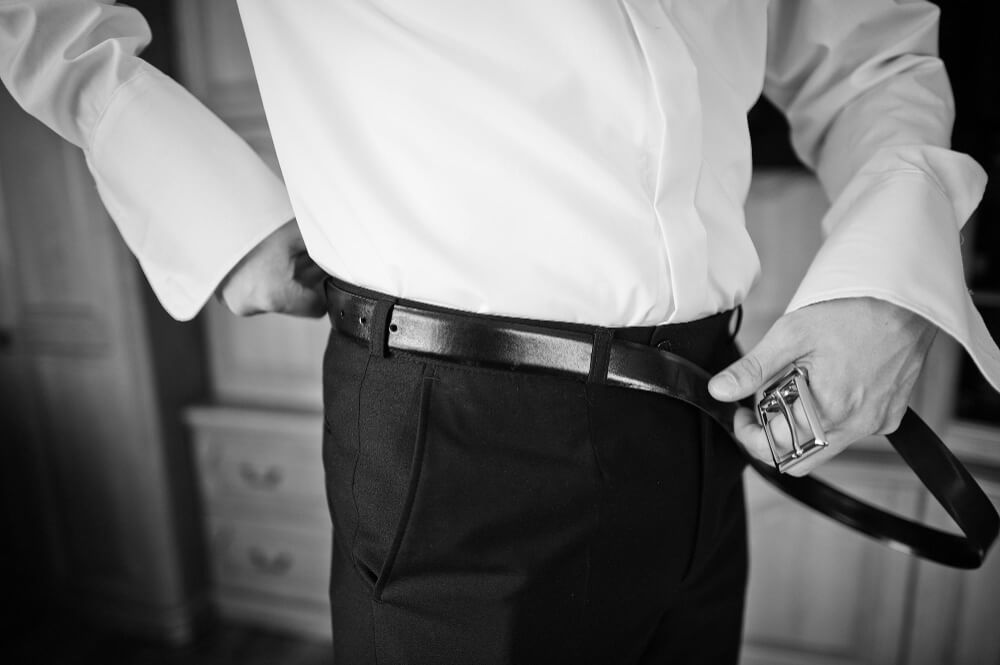
Let’s face it buying a belt often feels effortless. You walk into a store, pick a black or brown leather belt, add a shiny silver or gold buckle, and move on. For many people, a belt is simply a functional accessory, rarely noticed or appreciated.
However, if you want to transform your belt from a basic necessity into a style-defining accessory, this guide is for you. A poorly sized or mismatched belt can ruin an otherwise well-put-together outfit. With the right knowledge, you can elevate your overall look by choosing and wearing a leather belt correctly.
When to Wear a Belt
Originally, belts were designed purely for function. Over time, they evolved into one of the most important men’s fashion accessories.
Simple rule: Always wear a leather belt with trousers that have belt loops. Empty loops create the impression that something is missing especially when you’re wearing formal attire with a tucked-in shirt.
Suspenders can be a stylish alternative to men’s leather belts, but never wear both at the same time. Doing so is considered a major fashion mistake.
Belt Fit & Size Guide
Choosing the right belt size should always be your top priority. Most men’s leather belts come with five holes to allow flexibility as your body changes or depending on how you wear your trousers.
Ideally, the buckle pin should sit comfortably in the middle hole, leaving about 15 cm (6 inches) of leather after the buckle. This creates a balanced and clean appearance.
If you’re unsure between two sizes, it’s better to go slightly shorter just ensure there’s enough length to tuck the belt tip into the first belt loop. Letting the belt hang freely or wrapping excess leather around your waist often looks untidy, except in very specific casual styles.
How to Measure the Correct Belt Size
The most accurate belt measurement is taken from the inside edge of the buckle to the middle hole. To calculate the full belt length, add approximately 15 cm (6 inches) to that measurement.
A quicker method is to add three inches to your pant size. While some suggest adding two inches, three inches usually provides a more comfortable and accurate fit.
Braided leather belts offer added flexibility, as the buckle pin can fasten anywhere. This makes them ideal for casual outfits, combining comfort with effortless style.
Belt Material Guide
Material plays a crucial role in both appearance and durability. Most belts are crafted from cow leather, known for its strength, texture, and timeless look.
- Calf leather comes from young cows and offers a smoother, more refined finish, making it perfect for formal wear.
- Full-grain cow leather works well for both dress and casual belts due to its versatility.
- Suede or nubuck leather, which is lightly sanded, is best suited for casual or smart-casual outfits.
While suede belts can be dressed up occasionally, they shine most in relaxed and contemporary looks.
Key Takeaways
- A leather belt is both functional and stylish
- Always wear a belt with trousers that have loops
- The buckle should fasten in the middle hole
- Add three inches to your pant size for belt sizing
- Cow leather suits most occasions; suede is best for casual wear
FAQs About Leather Belts
How do I choose the right leather belt size?
Measure from the buckle to the middle hole or add three inches to your pant size.
Can I wear a leather belt with casual outfits?
Yes, especially braided, suede, or textured leather belts.
Is calf leather better than cow leather?
Calf leather is smoother and more formal, while cow leather is more versatile.
Should the belt color match my shoes?
Yes, matching your leather belt with your shoes creates a cohesive look.
Conclusion
A leather belt may seem like a small detail, but it plays a major role in defining your overall appearance. From selecting the right size and material to knowing when and how to wear it, understanding belts helps you dress with confidence and intention.
With the right choice, your belt won’t just hold your trousers it will complete your style.